



300h Yoga Teacher Training Course
Yoga Alliance accredited - Zenit Yoga School
Online self-paced studies & Retreat in Croatia, July 3rd-17th 2021

ABOUT COURSE
Deepening yoga practice and insights
Multi-style approach and problem-based learning
_edited.jpg)
Zenit Yoga International TT300 is an evolution of multi-style approach -Vinyasa, Ashtanga, Yin, Restorative and Tibetan Yoga - enabling simplicity with ease in learning and practice.
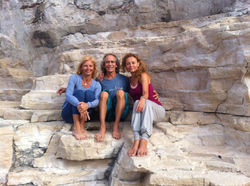
An excellent and thoughtfully chosen international teacher team – Lea, Kirsten, Viggo and other guest teachers - is well established in their interdisciplinary insights, gained through decades of research and teachings in yoga, meditation and body-mind oriented therapy. Students will enjoy a natural and practical approach understanding the value of different yoga styles, meditation, mindfulness and breath-work and learn how to balance challenging as well as soft techniques with an aim to support individual practitioner’s needs.
This program will prepare you to progress from your individual starting point, then enhancing self-confidence and ability to teach yoga. Along with rising ecological awareness and the need for peace and compassion through yogic lifestyle and teachings; and in addition to discussions on current challenges for modern yogis to discover their individual path (dharma) and practice (sadhana).
Immersing into this TT300 is treasured opportunity to expand awareness physically, mentally and spiritually. The aim is to create more space in modern yogi´s life for learning and sharing yoga with expanded confidence and clarity of newly acquired direction.
The program includes 2 weeks of intensive retreat, and online self-paced study preparation prior or post the retreat. Online part requires minimum one week to go through the given materials.
The program is accredited by Yoga Alliance. It is suitable for practitioners who already have 200 hours training in yoga or equivalent experience. Body-mind professionals and therapists are also welcome to join the course.
Learning methods include
Professional framework
-regular practice, lectures, group discussions, problem-based learning, regular feedback, video/visual, or solitary learning
Implicit learning
-meditation, relaxation, pranayama, observing teachers, personal practice and experience, contemplation, self-reflection and writings and applying knowledge gained in teaching
Program format includes
Foundation and refinement
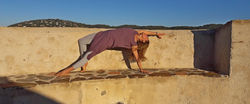
Refine your yoga practice, wherever you are in your current yoga approach. Explore similarities and differences in main yoga approaches - dynamic practices such as vinyasa or ashtanga, soft practices such as yin or restorative yoga or unique style of Tibetan yoga. Identify the strengths and weaknesses of different approaches. Bring mindfulness to both dynamic and soft practices and teachings.
In-depth study of asanas
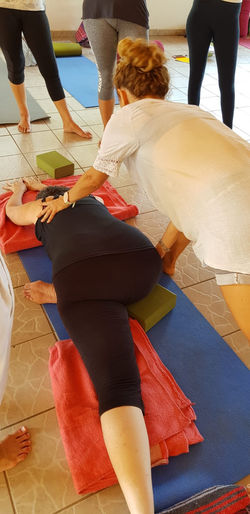
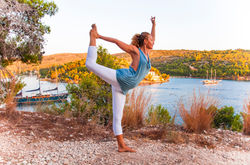
Study asanas originated from scriptures such as Hatha Yoga Pradipika or Gheranda Samhita and compare them to modern yoga approaches. Learn about intelligent alignment and adjustment to make yoga positioning functional, light and easy. Learn how to adapt asana sessions, understand principles underpinning quality variations and modifications. Hands on and verbal adjustments with training in touch sensibility, biomechanics of yoga and subtle verbal guidance that help embody yoga asanas.
Yoga for specific areas needs
Learn specific adjustments for special needs yoga (such as trauma-sensitive yoga approach or yoga for athlets); learn proper use of props (external tools) and mental cues (internal tools) activating body-intelligence.
Pranayama, bandhas, granthi, mudras
Study and application of pranayamas, awareness of the breath, and different breath techniques from both traditional yogas as well as modern breathwork studies and mindfulness study. Learn about the proper use of breathing techniques, their benefits and contraindications. Practicing awareness on body parts, and subtle exercises of (mudras).
Kriyas, body-mind detox and fasting
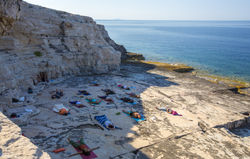
Guidance in practice of main 6 kriyas, with emphasise on neti-sutra regular practice as well as nauli kriya and lerning tantric advanced tratak practices (eye exercises). Practice of 1 day fasting and silence and understanding the benefits of such practices in yoga and environmental context. Eating plant-based for the entire retreat training. Spending quiet time in nature as part of the daily withdrawal.
Meditation Relaxation and Mindfulness
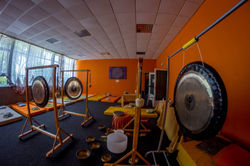
Understand the mechanisms of different methods and techniques of yoga meditation and relaxation, including tantric yoga nidra relaxation, gong bath, japa, mantra and vipassana meditation. Deepening and learning about mindfulness meditation and mindful living and its effect on body, feelings, mind and perception of reality. Use of mindfulness in everyday actions.
Mastering the art of teaching
Self-awareness as a teacher and continuous improvement by developing teaching skills and communication skills, as well as group-psychology skills relevant to yoga settings. Moving from technical /basic instruction towards sharing by example and transmission of knowledge and yoga experience by sincere presence. Presenting concepts such as holding space, humble, non-invasive teaching style; silent support in teachings, time management, class priorities, managing challenging students, creating sacred atmosphere.
Sustainable and ethical yoga business
Practical learning about creating an ethical and sustainable yoga business plan; yoga yearly planning (forcast); how to budget retreats and teacher training, and how to handle challenging business-related decisions in a yogic way. Learning about how to balance being authentic yoga teacher, through using personal communication and ethics in business.
Advanced anatomy for yoga practitioners and teachers
Deeper understanding about movement and functioning of human body. Deeper understanding about safe adjustments. Proper understanding about the effects of vinyasa vs soft styles such as yin yoga on human body Facilitating students with injury and keep the practice safe. How to use the practice of asana to teach students to move more optimally, both on their mat and in everyday life. How to identify our students' current movements patterns as well as what aspects of movement are limiting them in their practice
Subtle anatomy and eastern understanding of the human constitution
Understanding of the human constitution according to Indian teachings on the subtle body (koshas, chakras, nadis, and prana) Linking the practice of pranayama to theory of the subtle body. Linking pranayama to the practice of yogic withdrawal (pratyahara).
Yoga philosophy, psychology and poetry
Comparative study of yoga texts (Patanjali, B.Gita, Vedanta, Kashmir Shaivism). Applying yoga wisdom to current modern life challenges. Clarifying different concepts constituting idea of liberation (turiya, moksha, kaivalya, Samadhi), relation to the world, relationships that lead to calm. Understanding cultural context and limitations of traditions. Understanding the psychology behind yoga. Reading and creating yoga poetry describing expanded consciousness.
Practicum Yoga lectures
Learning how to prepare a lecture on yoga theme and present the lecture within given time scope. Learning and practicing how to give ad-hoc lecture on chosen topics and provide wise feedback to students based on yoga lineage and literature. Practice how to teach different yoga philosophical concepts - both as a lecture and by example integrating those in the class.
Practicum Yoga teaching
Designing and teaching class to other trainees, and with different scenario (special needs, groups or private class, dynamic, hard (vinyasa, ashtanga) or soft (yin, restorative) style. Observing other trainees and giving constructive feedback on different aspects of the class (pace, voice, structure, theme, atmosphere).
 |  |  |
|---|---|---|
 |  |  |
 |  |  |
 |  |  |
 |  |  |
 |  |  |
 |  |  |
 |  |  |
 |  |  |
 |  |  |
 |  |  |
 |  |  |
 |  |  |
 |  |  |
 |  |  |
 |  |  |
 |  |  |
 |  |  |
 |  |  |
 |  |  |
 |  |  |
 |  |  |
 |  |  |
 |  |  |
 |  |  |
 |
A typical day at the Retreat
06:15- Self-practice - kriyas, meditation, asana
07:15- Blissful morning practice
10:00- Vegan breakfast with local delights
12:00- Insight theory classes & discussions
14:00- Nurturing afternoon classes & group work
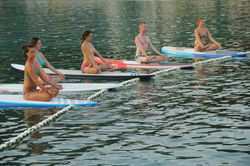
16:00- Study time or rest (swim, take a walk, meditate)
19:00- Vegan dinner
20:00- Self-practice - meditation, yoga-related film or relaxation
22:00 – Quiet time/bedtime
Optional on a special occasion:
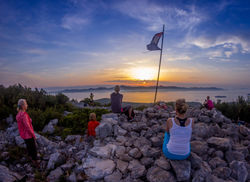
05:30-06:30 Sunrise meditation at a hilltop or early morning swim
1 day will be study/rest day
Optional activities
Visit local villages
Bicycle rides
Take a little boat to a nearby secluded island
Visit town of Zadar
Visit Kornati islands /boat trip
Take a walk to a local hill-top
Sun & swim
Nap in the forest
Online self-paced study preparation
We recommend to use minimum 7 days to fully enjoy the online part of the training.
Progam preview /available after October 1st
FB page - Follow us and connect to other students/available after October 1st